More than 64 million homes in the U.S. use natural gas to supply them with heat during cold weather, and most of these homes use a furnace for the job. It’s not surprise that gas furnaces remain the #1 option for winter comfort: they can deliver high levels of heat and deliver them fast—all without putting a huge drain on a household’s budget. But when serious furnace problems arise, knowing how to handle urgent furnace heating breakdowns can help keep your home safer until professionals arrive.
Using natural gas, however, brings with it a few cautions. Although gas furnaces are constructed to be as safe as possible, there are potential hazards they can run into. The most concerning one is the cracked heat exchanger. When this happens, can the problem be repaired? Or is it time for a new furnace installation altogether?
When Should Heating Repair Include Furnace Replacement?
Heating repair may not be enough when a furnace has a cracked heat exchanger. Homeowners should consider replacement when:
- The crack could allow carbon monoxide to enter the home’s air
- The furnace is older or near the end of its expected lifespan
- The repair costs more than half the price of a new furnace
- The replacement part is expensive or difficult to source
- A technician confirms the system is unsafe to operate
In most cases, replacing the furnace is the safer long-term option. A licensed HVAC technician can inspect the heat exchanger, explain the safety risk, and recommend the right heating repair or replacement option.
Continue Reading




 Past mid-February isn’t the end of winter, even with March around the corner. March is a notoriously unpredictable month—so much so people can’t even keep straight whether the saying is “March enters like a lamb and leaves like a lion” or “March enters like a lion and leaves like a lamb.”
 EMERGENCY! It’s a cold winter day or night in Indiana, and you have your furnace running. Or maybe a heat pump or boiler. Then suddenly—nothing. The heater stops working and a chill settles over your home. You might feel panic creeping up your spine, and who could blame you? This is one of those winter nightmares homeowners hope never happens to them.
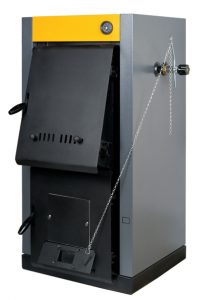 When people are shopping for heating systems to install in a new house, one of the points of comparison they make between different models is their estimated service life. In this column,
 Furnaces are the top type of heating system in the country. The majority of furnaces use natural gas to create heat, although they draw on electricity to power the blower fan and the ignition system. (Which means that, sorry, your gas furnace won’t work during a power outage.)
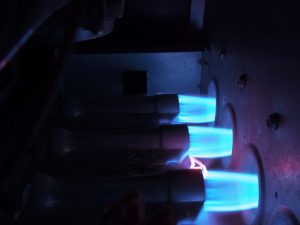 Last winter we posted some steps to take to make sure your
  Join Our Mailing List: